
News & Events
Online Revit Training with Certificate: What Employers Really Care About
Online Revit Training: Many beginners believe that completing an online Revit course and earning a certificate automatically qualifies them for professional work. Employers quickly discover this isn’t the case. While certificates demonstrate commitment and completion, they do not guarantee practical skill or familiarity with real project workflows.
A Revit professional needs more than theoretical knowledge. Understanding families, worksets, linked files, and visibility management are critical skills that employers value far more than a certificate alone. Without these, candidates may struggle with coordination, performance issues, and project deadlines.
The goal of this article is to clarify what employers actually care about when reviewing Revit candidates. By highlighting practical competencies alongside certificates, learners can ensure their training translates into job readiness. Online Revit training with certificate should therefore focus not only on earning credentials but also on building skills that directly apply to professional BIM projects.
Investing time in hands-on learning, guided exercises, and real-world examples is the difference between a candidate who has a certificate and one who can contribute effectively from day one.
Learn more: Revit Classes Comparison: In-Person vs Online with Visuals
Understanding Employer Expectations in BIM Projects
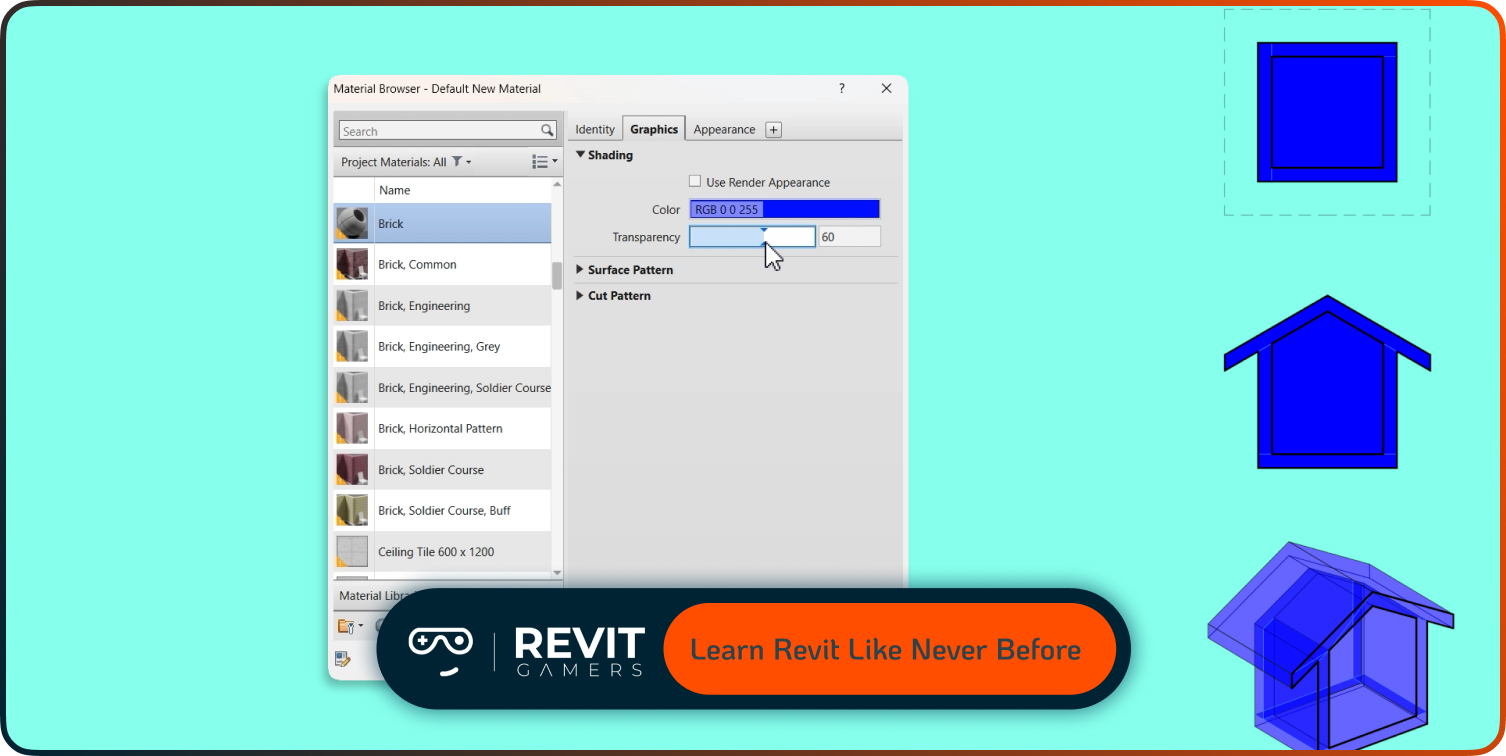
Employers evaluating Revit candidates look for skills that directly affect productivity and project quality. This includes proficiency in creating and managing families, controlling visibility and graphics, handling worksets, and linking multiple models efficiently.
A common mistake beginners make is prioritizing certificates over competence. While certificates may indicate course completion, they often fail to reflect the learner’s ability to solve coordination problems, address warnings, or handle large models effectively. Employers need to see tangible evidence of these abilities, not just a digital badge.
Understanding what employers expect helps learners focus on practical outcomes. Skills like resolving visibility conflicts, managing element ownership in worksets, and maintaining file stability are crucial. These capabilities demonstrate readiness to handle real-world BIM workflows and project collaboration challenges.
By aligning online Revit training with employer expectations, learners ensure their certificate is backed by the competence that hiring managers truly value, bridging the gap between coursework and workplace effectiveness.
Why Online Revit Training Works (When Done Right)
Online Revit training with certificate offers flexibility, allowing learners to study at their own pace. However, the effectiveness of these programs depends on their design. Simply watching videos or reading guides is insufficient; interactive, hands-on practice is key.
Well-structured courses combine short lessons, demonstrations, and practical exercises that mirror real project workflows. Students can follow step-by-step tutorials, manipulate elements, and experiment with features like families, worksets, and linked models in a controlled environment.
A critical advantage of online courses is access to repeatable content. Beginners can revisit lessons until they fully grasp a concept, reinforcing learning and building confidence. Additionally, platforms often track progress, allowing learners to identify gaps and focus on areas that need improvement.
When done right, online Revit training with certificate not only teaches commands but also develops problem-solving skills and workflow understanding. This prepares beginners to transition smoothly into professional BIM environments while providing tangible evidence of skill acquisition.
Certificates vs. Real Competence: Bridging the Gap
Certificates are only part of the equation. A candidate can have a certificate but lack the practical ability to manage worksets, resolve warnings, or coordinate linked models effectively. This gap between credential and competence often surprises employers.
Bridging this gap requires training that emphasizes applied learning. For example, instead of merely demonstrating how to create a wall, learners practice building complete assemblies, adjusting phases, and managing element visibility in context. These exercises replicate real project conditions.
Employers value candidates who can demonstrate workflow proficiency and problem-solving. By integrating hands-on projects and exercises into online courses, learners show both their knowledge and their ability to apply it.
A certificate paired with practical experience signals readiness. It proves that the learner not only completed a course but also possesses the skills necessary to contribute to live BIM projects, ensuring the certificate has real-world credibility.
Learn more: Revit vs AutoCAD 2025: Which Is Worth Learning?
Key Features Employers Look For
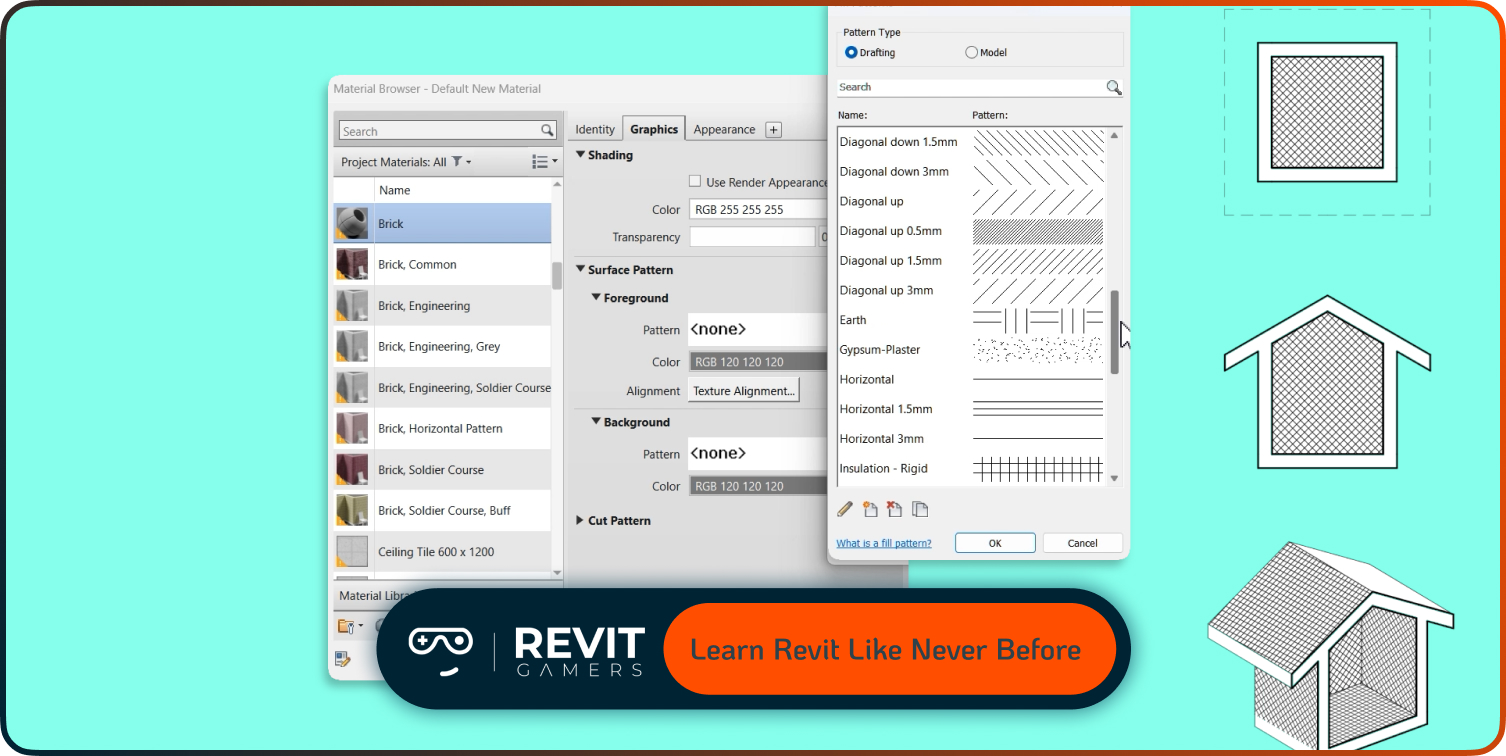
When reviewing Revit candidates, employers often prioritize the ability to handle families, manage worksets, control visibility, and coordinate linked files. Mastery of these areas reduces errors and improves team efficiency.
For instance, candidates must be able to create and modify families that meet project standards, solve warnings efficiently, and maintain model stability. Worksets should be managed strategically to prevent ownership conflicts. Linked models must be coordinated accurately to avoid missing data or clashes.
Online Revit training with certificate should emphasize these skills. Instead of focusing solely on theoretical knowledge or software navigation, learners practice tasks that mirror actual job responsibilities.
By targeting the features employers care about most, learners ensure their certificate translates into tangible capability, increasing their competitiveness in the job market and proving they can perform in professional BIM environments.
How Animated and Hands-On Training Improves Job Readiness
Animated lessons enhance understanding of complex Revit workflows. Beginners can visualize changes, see parametric relationships, and grasp cause-and-effect interactions in real time.
When combined with hands-on exercises, animation reinforces learning by allowing students to apply concepts immediately. For example, creating walls, doors, and linked models in a guided project mirrors tasks they will encounter professionally. Mistakes can be demonstrated and corrected within the lesson, building problem-solving skills.
This approach ensures beginners don’t just memorize commands—they develop practical understanding. They learn to anticipate issues, resolve warnings, and maintain file stability.
A Revit course for beginners that integrates animated training with hands-on exercises ensures learners leave with job-ready skills. Certificates then serve as verification of both completion and competence.
Tracking Progress and Demonstrating Skills
Earning a certificate is valuable, but employers want proof of actual ability. Online courses that include project-based assessments and progress tracking allow learners to showcase real skills.
Portfolios, completed exercises, and sample projects demonstrate competency far more effectively than a certificate alone. For example, a model showing correct use of families, worksets, and linked files reflects the learner’s problem-solving ability.
By combining certificate completion with tangible outputs, learners can communicate readiness clearly to employers. This dual evidence increases confidence during interviews and helps recruiters distinguish competent candidates from those who only hold credentials.
Learn more: Fix Revit Errors: Most Common Problems and How to Solve Them
Common Mistakes in Online Revit Training
A major pitfall is focusing solely on obtaining a certificate. Learners may skip exercises, ignore complex workflows, or fail to practice problem-solving. This creates a false sense of readiness.
Other mistakes include ignoring warnings, neglecting workset management, and relying on static lessons without interactive practice. Employers quickly notice these gaps when candidates cannot handle real-world challenges.
Avoiding these mistakes requires selecting courses that integrate animation, hands-on exercises, and project-based learning. Learners must actively engage with content, replicate professional workflows, and demonstrate applied competence.
Learn more: Learn Revit: Animated Course vs Traditional Tutorials 2025
Conclusion: Choosing the Right Online Revit Training with Certificate
Certificates are important, but they only hold value when paired with practical skills. A successful online Revit course for beginners combines animated lessons, hands-on exercises, micro-lessons, and portfolio-ready projects.
Learners who follow this approach gain confidence, competence, and credibility. They leave not just with a certificate, but with skills that employers can trust.
Choosing the right online Revit training with certificate ensures your investment translates into real-world job readiness, bridging the gap between course completion and professional capability.
Leave a Reply
You must be logged in to post a comment.