
News & Events
fastest way to learn revit 2027 (Backed by Science)
Learning Revit in 2027 has become both easier and harder at the same time. Easier because there are thousands of resources available online, and harder because most learners get overwhelmed by the sheer volume of information. This creates a critical question for beginners and professionals alike: what is the fastest way to learn revit 2027 without wasting time on unnecessary content?
Revit is no longer just a drafting tool; it is a full BIM ecosystem used in architecture, engineering, and construction industries worldwide. Because of this, learning it quickly is not just about watching tutorials it requires a structured, efficient, and scientifically optimized approach.
Many learners assume that speed comes from consuming more content. In reality, speed comes from better learning strategies, not more hours. People who struggle with Revit usually fall into the trap of passive learning watching videos without applying what they learn. This leads to slow progress, confusion, and frustration.
The goal of this article is to break down the fastest way to learn revit 2027 using proven learning science principles such as active learning, spaced repetition, project based practice, and cognitive efficiency. Instead of guessing or following random advice, you will get a clear roadmap that shows exactly how to accelerate your learning process.
By the end of this guide, you will understand not only how to learn Revit faster but also how to retain knowledge longer and apply it effectively in real world BIM workflows.
Learn more: Revit Classes Comparison: In-Person vs Online with Visuals
Revit Gamers is offering
The most efficient
& market's only animated Revit training
Learn More
Why Most People Learn Revit Slowly
Most learners fail to achieve fast progress in Revit not because the software is too complex, but because they use inefficient learning methods. One of the biggest reasons for slow learning is passive consumption of content. Watching tutorials without applying them creates an illusion of progress but no real skill development.
Another major issue is fragmented learning. Many beginners jump between different YouTube channels, courses, and tutorials without a structured path. This creates confusion because Revit is a system based software where each concept builds on the previous one. Without structure, knowledge remains disconnected.
A third reason is over reliance on theory. Some learners spend too much time understanding concepts without practicing them inside the software. Revit is a practical tool, and without hands on application, retention drops significantly.
Finally, many learners underestimate repetition. They learn something once and move on, expecting to remember it permanently. However, cognitive science shows that repetition is essential for long term memory formation.
These mistakes collectively slow down the learning process and make Revit seem more difficult than it actually is.
What “Fast Learning” Really Means (Science Based View)
To understand the fastest way to learn revit 2027, we must first define what “fast learning” actually means. According to cognitive science, fast learning is not about speed of exposure but efficiency of retention and application.
There are three key principles behind fast learning: active learning, spaced repetition, and contextual practice. Active learning means engaging with the material instead of passively watching it. This includes modeling, experimenting, and solving problems inside Revit.
Spaced repetition refers to revisiting concepts over time instead of learning them once. This strengthens memory and reduces forgetting.
Contextual practice means learning concepts within real project scenarios rather than isolated exercises. This helps the brain understand how tools are used in real workflows.
When these three principles are combined, learning speed increases significantly without increasing study hours.
Learn more: change units in Revit: How to Change Project Units for International Projects
The 80/20 Rule in Revit Learning
One of the most powerful strategies for the fastest way to learn revit 2027 is the 80/20 rule. This principle states that 20% of Revit tools are responsible for 80% of real world work.
Most beginners waste time trying to learn every single tool, even those rarely used in professional environments. Instead, focusing on essential tools like walls, floors, families, views, and sheets dramatically accelerates learning.
By prioritizing high impact tools, learners reduce cognitive overload and improve efficiency.
Revit Gamers is offering
The most efficient
& market's only animated Revit training
Learn More
Project Based Learning as the Fastest Method
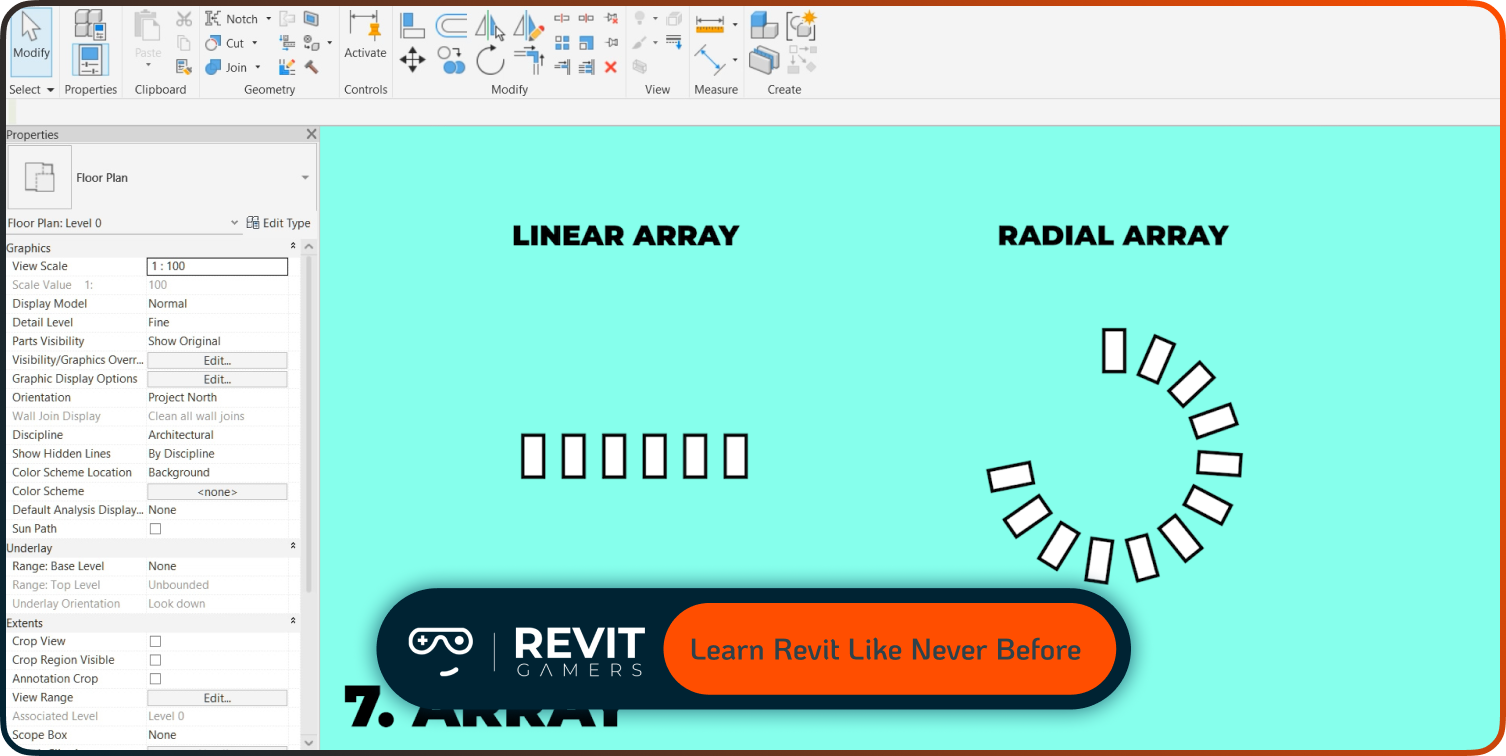
Project based learning is the core of the fastest way to learn revit 2027. Instead of learning tools individually, learners build complete projects from start to finish.
This method forces the brain to connect tools with real outcomes, improving understanding and retention.
The Role of Visual Learning & Animation
Revit is a highly visual software, which makes visual learning extremely effective. Animated workflows and step by step demonstrations reduce cognitive load and speed up understanding.
Daily Practice Strategy (30–60 Minutes Rule)
Consistency is more important than long study sessions. Practicing Revit daily for 30–60 minutes improves retention and builds muscle memory faster than irregular long sessions.
Learn more: Reset Revit UI: Bring Back Your Lost Panels Easily
Common Mistakes That Slow Down Learning
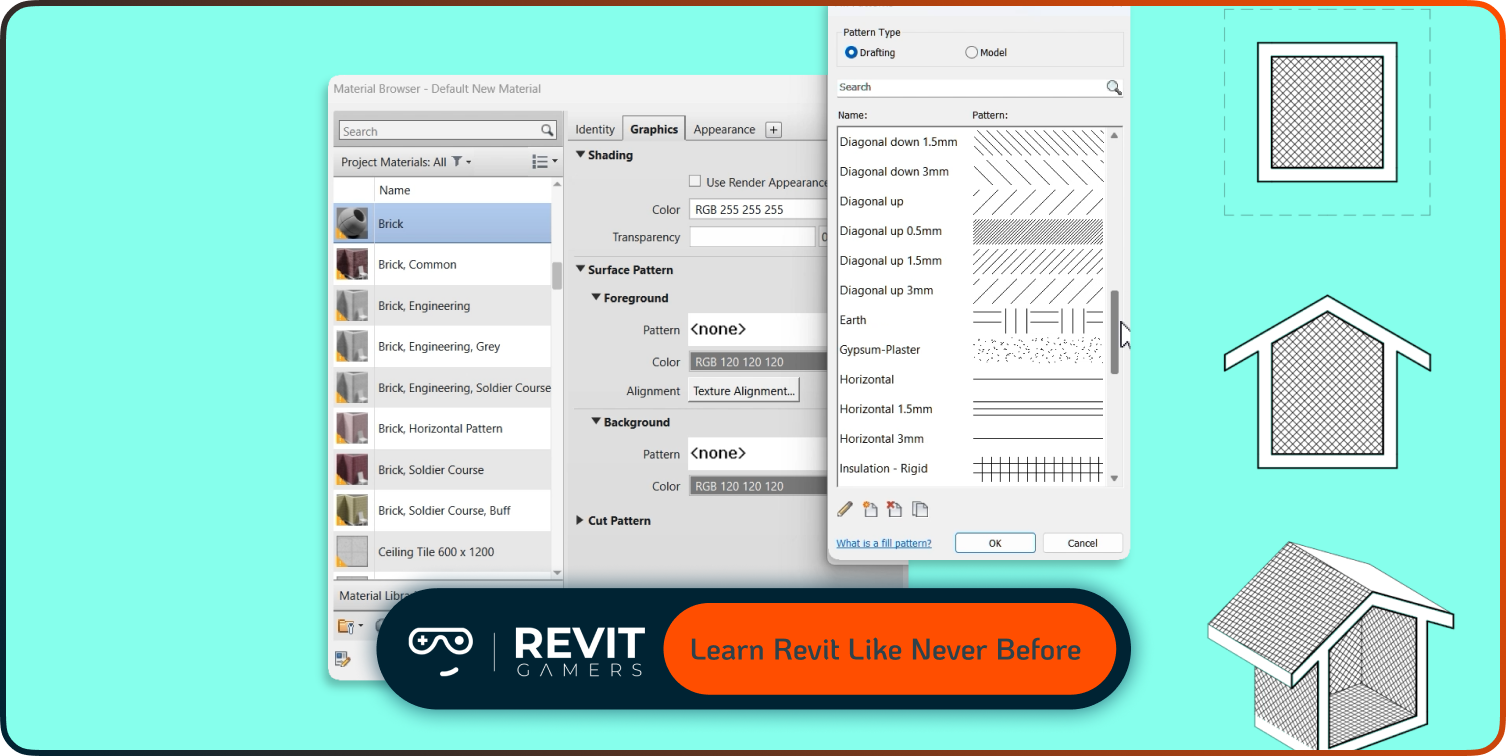
Common mistakes include switching between too many courses, avoiding practice, and trying to learn everything at once. These habits significantly slow down progress.
Structured Learning Systems
Structured systems play a major role in accelerating learning. Platforms that follow guided progression and project based workflows such as Revit Gamers style structured training systems help learners avoid confusion by providing a clear roadmap from beginner to advanced levels. This structured approach aligns perfectly with the principles of the fastest way to learn revit 2027, combining practice, progression, and real world simulation in one system.
Revit Gamers is offering
The most efficient
& market's only animated Revit training
Learn More
Learn more:: How to Fix Revit File Corruption: Step-by-Step
Final Verdict: The Real Fastest Way
The fastest way to learn revit 2027 is not about shortcuts or hacks it is about combining science based learning principles with structured practice. Active learning, project based training, repetition, and guided progression form the foundation of rapid skill development.
When learners follow a structured system instead of random tutorials, they progress significantly faster and reach professional level skills in less time.
Leave a Reply
You must be logged in to post a comment.