
Uncategorized
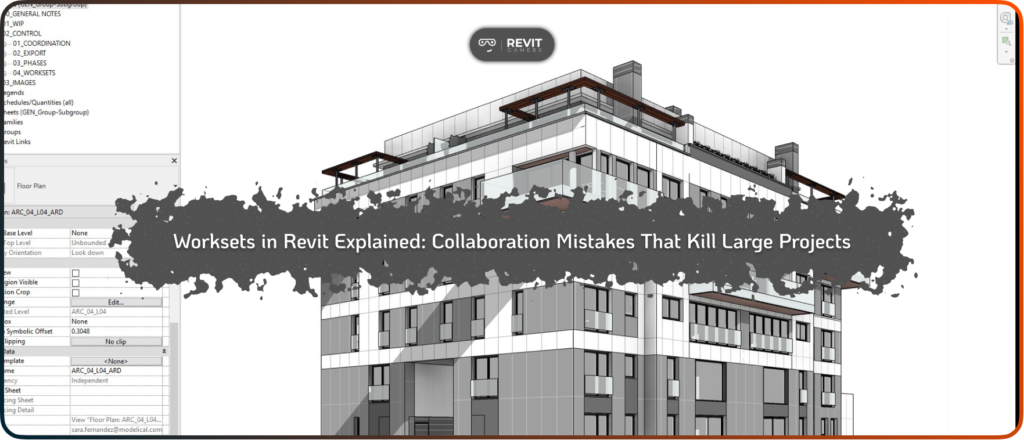
Worksets in Revit Explained: Worksets in Revit are designed to support collaboration, but in large projects they often become a source of serious problems instead of a solution. When teams scale up, the number of users, linked models, and simultaneous edits increases dramatically. At this point, small mistakes in how worksets are structured or used […]

Online Revit Training: Many beginners believe that completing an online Revit course and earning a certificate automatically qualifies them for professional work. Employers quickly discover this isn’t the case. While certificates demonstrate commitment and completion, they do not guarantee practical skill or familiarity with real project workflows. A Revit professional needs more than theoretical knowledge. […]
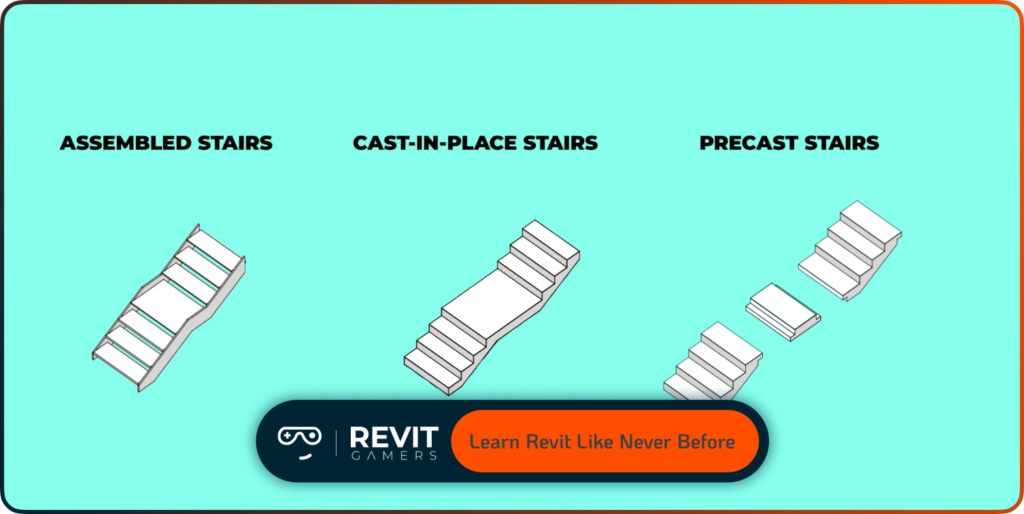
Revit warnings are alerts designed to help users identify potential issues in a model before they escalate into errors affecting documentation, schedules, or construction. They indicate inconsistencies, conflicts, or design assumptions that may compromise model accuracy or project coordination. Ignoring these warnings can lead to duplicate elements, misaligned geometry, inaccurate quantity takeoffs, or even crashes […]
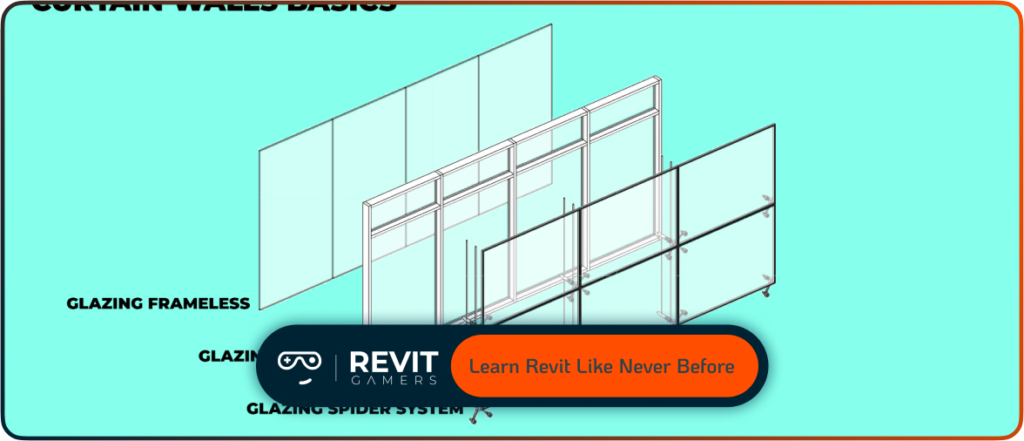
In today’s construction industry, Building Information Modeling (BIM) dominates as the preferred workflow. Yet, many firms still rely on legacy CAD drawings for certain aspects of design and coordination. This is where Revit CAD links become essential. Linking CAD files into Revit projects provides a bridge between traditional 2D drafting and modern BIM modeling, […]
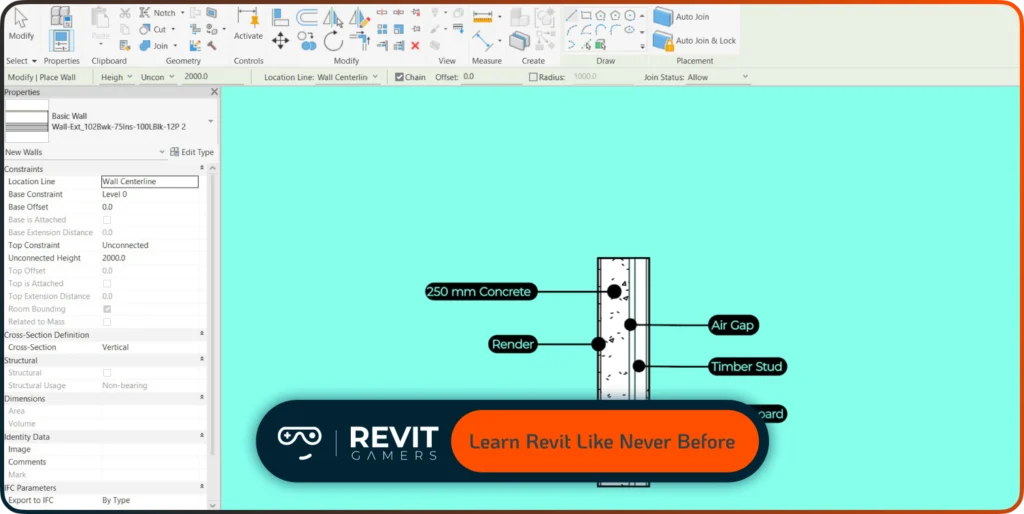
In the fast-paced world of architecture, engineering, and construction (AEC), speed and accuracy are non-negotiable. Learning how to use powerful BIM tools like Autodesk Revit efficiently is now a crucial skill, not just a bonus. But with Revit’s steep learning curve and endless features, traditional text-heavy tutorials often fall short. That’s where Revit training powered […]
The BIM Implementation Process: A Comprehensive Guide Building Information Modeling (BIM) Implementation: A Step-by-Step Guide for Organizations Building Information Modeling (BIM) is transforming the architecture, engineering, and construction (AEC) industries by enhancing collaboration, efficiency, and accuracy in project execution. Implementing BIM effectively within an organization involves a systematic process that ensures all stakeholders are aligned […]

In the realm of Building Information Modeling (BIM), the efficiency and effectiveness of a Revit project heavily depend on the initial setup and adherence to best practices throughout the project lifecycle. Proper setup minimizes errors, optimizes performance, and ensures that the model remains manageable and accurate. This blog explores the best practices for setting up a Revit project, focusing on model organization, file management, worksets, and ongoing maintenance.